
Polycystic Ovary Syndrome (PCOS) currently affects an estimated 8% to 13% of reproductive-aged women worldwide, standing as the leading cause of female infertility and a primary driver of metabolic complications. For individuals managing this endocrine disorder, the midday meal serves as a critical junction for maintaining glycemic control and mitigating the afternoon fatigue often associated with insulin resistance. Clinical research increasingly suggests that dietary intervention is the first line of defense in managing PCOS symptoms, which include irregular menstrual cycles, hirsutism, and weight gain. By selecting nutrient-dense, anti-inflammatory ingredients, women can effectively modulate their hormone levels and sustain energy throughout the day.
The Pathophysiology of PCOS and the Role of Nutrition
The primary challenge in a PCOS-oriented diet is the management of hyperinsulinemia. Approximately 70% of women with PCOS exhibit some degree of insulin resistance, regardless of their Body Mass Index (BMI). When the body’s cells become less responsive to insulin, the pancreas compensates by producing more of the hormone. Elevated insulin levels not only lead to weight gain but also stimulate the ovaries to produce excess androgens, such as testosterone.
A 2013 study published in the Iranian Journal of Reproductive Medicine highlighted that specific nutrients, such as Omega-3 fatty acids found in cold-water fish, can significantly lower testosterone levels and regulate menstrual cycles in women with PCOS. Therefore, a lunch strategy for PCOS must prioritize high-fiber carbohydrates, lean proteins, and healthy fats to prevent glucose spikes and support endocrine health.
A Chronology of Dietary Management for PCOS
The understanding of PCOS nutrition has evolved significantly over the last century. In 1935, when Irving Stein and Michael Leventhal first described the syndrome, the focus was primarily on surgical interventions. By the 1980s, the link between PCOS and insulin resistance was firmly established, leading to the adaptation of diabetic diets for PCOS patients.
In the early 2000s, the "Low Glycemic Index (GI)" movement became the gold standard for PCOS management. However, by the 2010s, research expanded to include the importance of the gut-brain axis and the role of chronic low-grade inflammation. Today, the medical community advocates for a holistic "Functional Nutrition" approach, which combines low-GI principles with anti-inflammatory foods and fermented probiotics to support the microbiome.
Detailed PCOS-Friendly Lunch Recipes for Metabolic Success
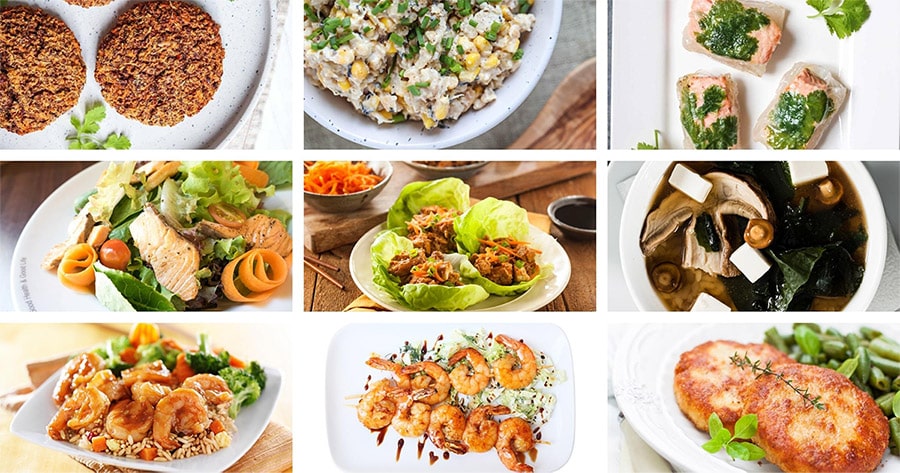
To move beyond the monotony of repetitive meal prep, the following twelve recipes provide a diverse array of flavors while adhering to the biochemical needs of the PCOS body.
1. Salmon Caesar Salad with Mushrooms, Tomato, and Avocado
Traditional Caesar salads often rely on store-bought dressings containing soybean or canola oils, which are high in Omega-6 fatty acids and can contribute to inflammation. This version utilizes a homemade dressing and integrates salmon, a powerhouse of Omega-3s.
- Nutritional Focus: The avocado provides monounsaturated fats that increase satiety, while the salmon works to inhibit androgen overproduction.
- Preparation Insight: The dressing is emulsified using avocado oil, a high-smoke-point fat that is heart-healthy. Pulse garlic, anchovies, and lemon juice in a food processor before slowly drizzling the oil to achieve a creamy consistency without the use of dairy or preservatives.
2. Pomegranate, Chickpea, and Broccoli Salad
This plant-forward option focuses on high fiber and antioxidant density. Pomegranates are rich in polyphenols, which help combat the oxidative stress frequently seen in PCOS patients.
- The Science of Chickpeas: As a legume, chickpeas provide a "slow-burn" carbohydrate source that releases glucose gradually into the bloodstream.
- Preparation: Soaking red onions in cold water for ten minutes removes the harsh sulfurous bite, making the raw vegetable more palatable and easier on the digestive system.
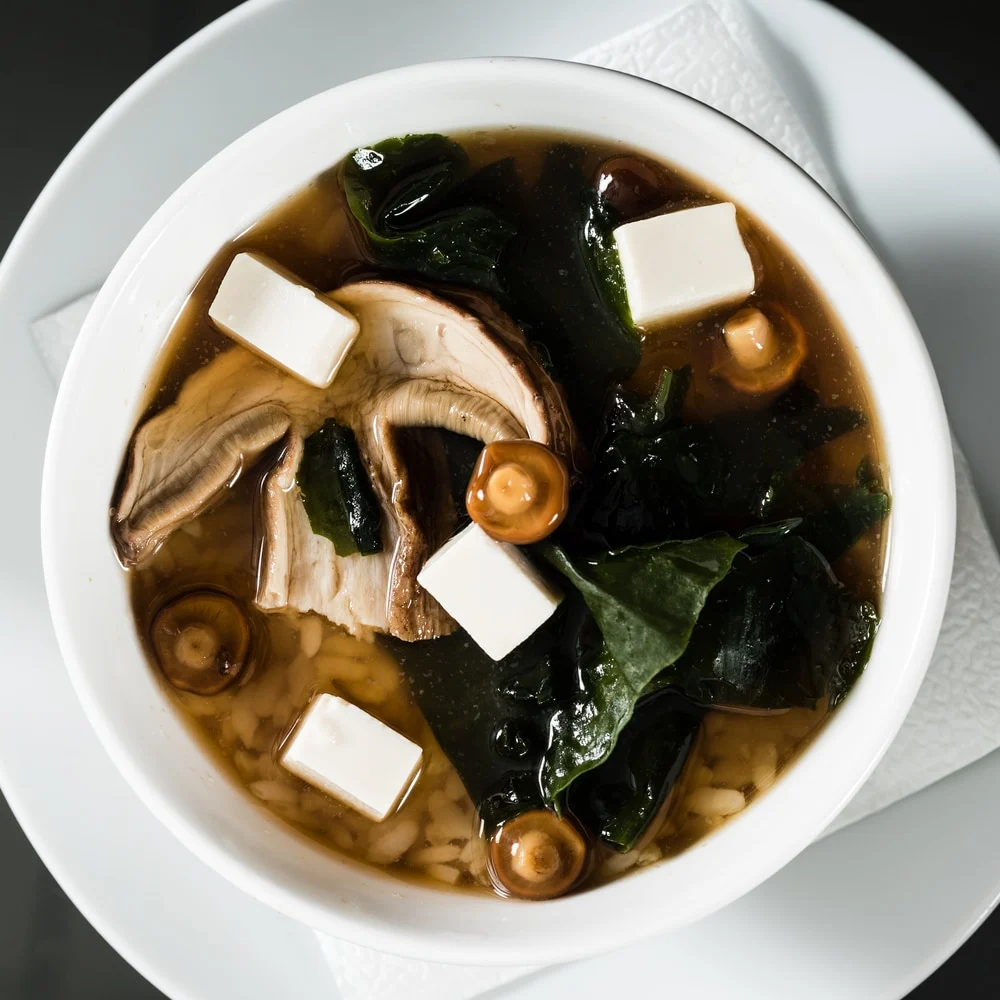
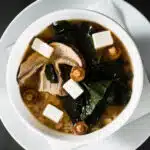
3. Avocado and Brown Rice Salmon Sushi with Miso Soup
Standard sushi utilizes white rice seasoned with sugar, which can cause an immediate insulin spike. Swapping for short-grain brown rice increases the fiber content and mineral density.

- Gut Health Integration: Miso is a fermented soy product that introduces beneficial bacteria to the gut. A healthy microbiome is linked to improved insulin sensitivity and reduced systemic inflammation.
- The Seaweed Factor: Nori and wakame provide iodine, a trace mineral essential for thyroid function, which often overlaps with PCOS concerns.
4. Turkey Burger with Side Salad
Lean ground turkey is an excellent source of protein that contains tryptophan, a precursor to serotonin. For women with PCOS, who may experience mood fluctuations, maintaining serotonin levels is vital.
- Structural Modification: To keep the glycemic load low, the burger should be served on a gluten-free bun or wrapped in large collard green or romaine leaves.
- Cooking Tip: Use an internal thermometer to ensure the turkey reaches 165°F (74°C) to maintain juiciness without overcooking.
5. BLT Gluten-Free Sandwich with Avocado and Tempeh Bacon
Tempeh is a fermented soy protein that offers a dense, nutty texture. Unlike processed pork bacon, tempeh provides probiotics and lacks the nitrates associated with inflammatory responses.

- Lowering Glycemic Load: While gluten-free bread is used, the addition of healthy fats from avocado and protein from tempeh slows the digestion of the bread’s starches.
- Marinade: A mixture of maple syrup (in moderation), liquid smoke, and soy sauce gives the tempeh the umami flavor characteristic of traditional bacon.
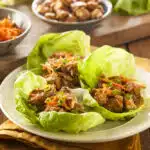
6. Lettuce Wrap with Grilled Chicken and Mixed Greens
This lunch is ideal for those requiring a portable, low-carb option. Using butter lettuce as a vessel reduces the caloric density while providing a refreshing crunch.
- Protein Satiety: Grilled chicken breast provides the necessary amino acids for muscle maintenance and metabolic health.
- Flavor Profile: Enhance the wraps with Tzatziki made from Greek yogurt or hummus for additional protein and healthy fats.
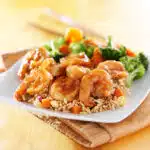
7. Shrimp Fried Rice with Brown Rice and Veggies
This homemade alternative to takeout eliminates excessive sodium and monosodium glutamate (MSG), which can cause bloating and water retention.
- Ingredient Swap: Using liquid aminos or low-sodium tamari instead of traditional soy sauce reduces salt intake.
- Technique: Frying the brown rice with green onions and sesame oil creates a "resistant starch" effect, which further lowers the glycemic response of the rice.
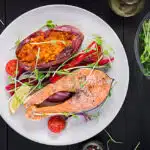
8. Baked Salmon with a Baked Potato
While white potatoes are often avoided in PCOS diets, sweet potatoes or small portions of skin-on red potatoes provide essential potassium and Vitamin C.
- Synergy: Pairing the potato with salmon ensures that the fats and proteins modulate the glucose response of the potato’s starch.
- Preparation: Bake the salmon at 375°F for 15 minutes to keep the fats intact; high-heat frying can denature the sensitive Omega-3 oils.
9. Vegan “Tuna” Salad
This recipe uses mashed chickpeas or heart of palm to replicate the texture of tuna, providing a mercury-free, high-fiber alternative.
- Black Bean Variation: The inclusion of black bean patties provides a significant amount of iron and folate, nutrients often deficient in women with hormonal imbalances.
- Serving Suggestion: Serve on a bed of spinach or with cucumber slices for a hydrating, low-calorie crunch.
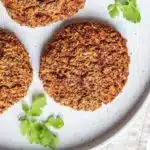
10. Sweet Potato, Quinoa, and Bean Burger
Quinoa is one of the few plant sources that is a complete protein, containing all nine essential amino acids.
- Complex Carbohydrates: The combination of sweet potato and quinoa provides sustained energy for the brain and muscles without the "crash" associated with simple sugars.
- Preparation: Baking these patties instead of frying them keeps the fat content controlled and heart-healthy.
11. Salmon Spring Rolls
Rice paper wraps are a lower-calorie alternative to traditional flour-based wraps.
- Nutrient Density: Filling the rolls with raw salmon, coriander (cilantro), and matchstick vegetables provides a high concentration of vitamins in a small volume.
- Anti-Inflammatory Herbs: Cilantro is known for its heavy-metal detoxifying properties and its ability to help regulate blood sugar.
12. Cilantro Lime Shrimp Skewers with Cauliflower Rice
Cauliflower rice has become a staple in the PCOS community as a direct replacement for high-carb grains. It provides the volume and texture of rice with a fraction of the carbohydrates.
- Metabolic Boost: Shrimp is low in calories but high in protein and selenium, an antioxidant that supports thyroid health.
- Flavoring: Lime zest and juice provide Vitamin C and acidity, which can help with the digestion of protein.
Analysis of Implications: The Broader Impact of Dietary Control
The implications of adopting a PCOS-friendly lunch regimen extend far beyond immediate energy levels. Longitudinal data suggests that women who manage their PCOS through diet and lifestyle significantly reduce their risk of developing Type 2 diabetes by age 40. Furthermore, by controlling insulin levels, many women report a reduction in dermatological symptoms, such as cystic acne and acanthosis nigricans (darkening of the skin).
Medical experts emphasize that consistency is more important than perfection. "The goal of a PCOS diet is not restriction, but rather the strategic pairing of macronutrients," says clinical nutritionists specializing in endocrine disorders. By focusing on anti-inflammatory proteins and high-fiber carbohydrates, patients can reclaim their metabolic health.
Expert Reactions and Future Outlook
The endocrinology community is increasingly moving toward "food as medicine." Recent symposiums on reproductive health have highlighted that while medications like Metformin are effective, they are most successful when paired with the types of low-insulin-demand meals described above.
Looking forward, the rise of personalized nutrition—utilizing continuous glucose monitors (CGMs) to see how specific individuals react to certain "PCOS-friendly" foods—is expected to become a standard tool. For now, the integration of whole foods, lean proteins, and healthy fats remains the most evidence-based strategy for managing the complexities of Polycystic Ovary Syndrome. These twelve lunch ideas serve as a practical framework for women to navigate their diagnosis with confidence, flavor, and vitality.